Can We Understand the Deep Sea Fast Enough to Protect It?
OceanX
How can we understand the deep sea fast enough to protect it? During OceanX’s Digital Deep Expedition in Cabo Verde, scientists and engineers from OceanX, Cabo Verde’s Instituto do Mar (IMar), and the global Challenger 150 program teamed up to explore how machine learning, human expertise, and international collaboration could help scientists piece together a bigger picture of life in the deep sea. The expedition explored the Nola seamount complex, where deep-sea corals and sponges form vulnerable marine ecosystems that provide important habitat for a wide range of marine life. The team deployed a new machine-learning model that could one day help scientists predict where biodiversity occurs—and how vulnerable deep-sea ecosystems may respond to environmental change and human activity. This
Altro in Ocean & Underwater
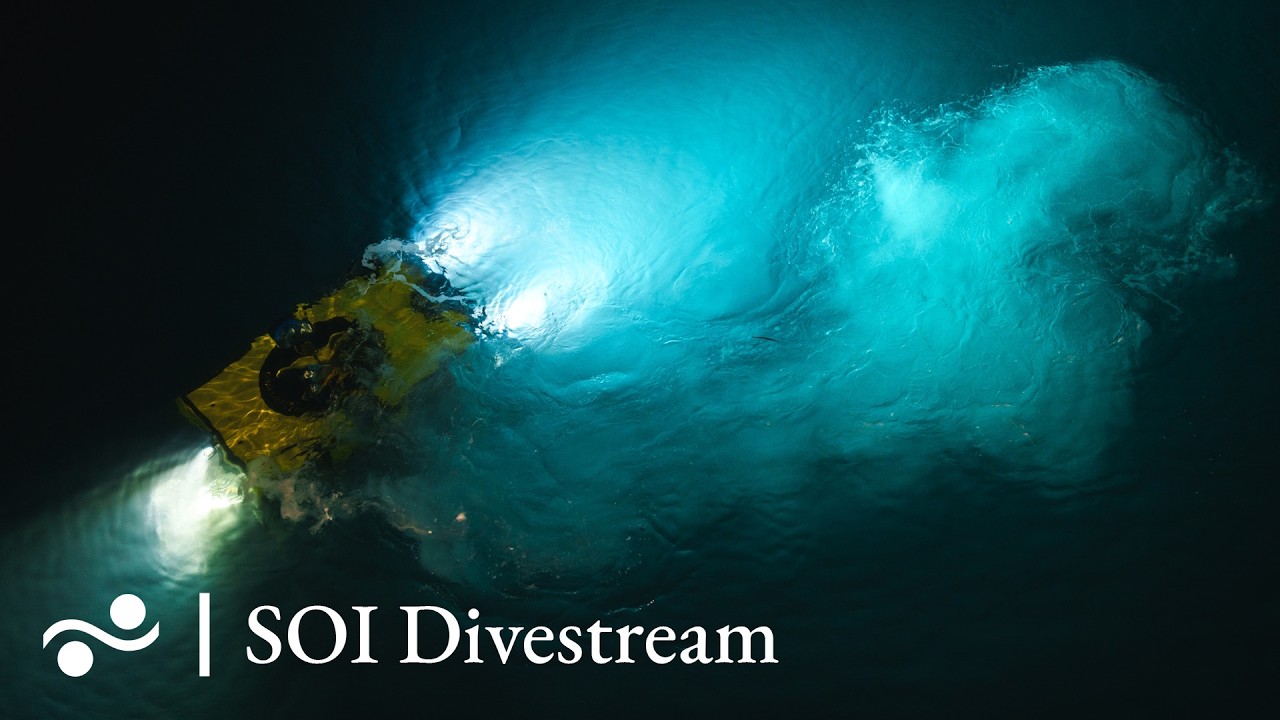
Romanche Fracture Zone East Dive 10 | SOI Divestream 980
Schmidt Ocean Institute

Romanche Fracture Zone East Dive 9 | SOI Divestream 979
Schmidt Ocean Institute
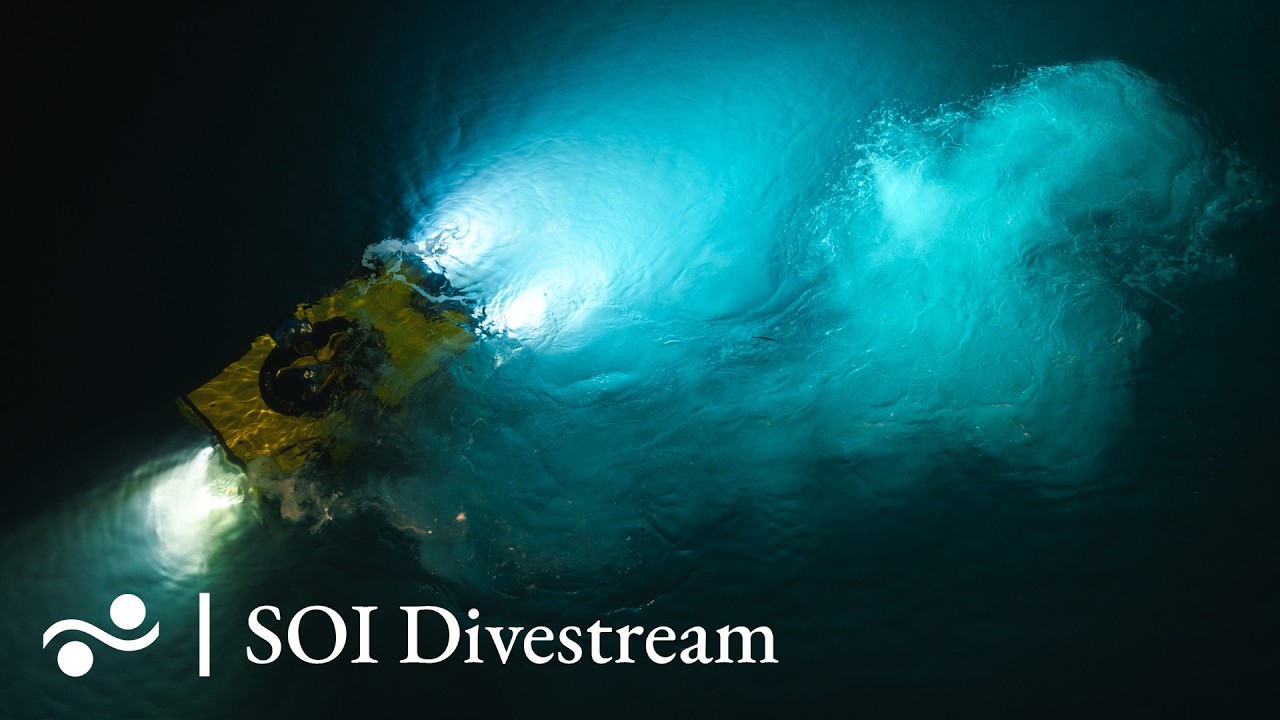
Romanche Fracture Zone East Dive 8 | SOI Divestream 978 Part 2
Schmidt Ocean Institute

Expedition Highlights from the E/V Nautilus 2026 Season | Nautilus Live
EVNautilus

Romanche Fracture Zone East Dive 8 | SOI Divestream 978
Schmidt Ocean Institute

Romanche Fracture Zone East Dive 7 | SOI Divestream 977 Part 2
Schmidt Ocean Institute

Romanche Fracture Zone East Dive 7 | SOI Divestream 977
Schmidt Ocean Institute

Romanche Fracture Zone East Dive 6 | SOI Divestream 976 Part 2
Schmidt Ocean Institute
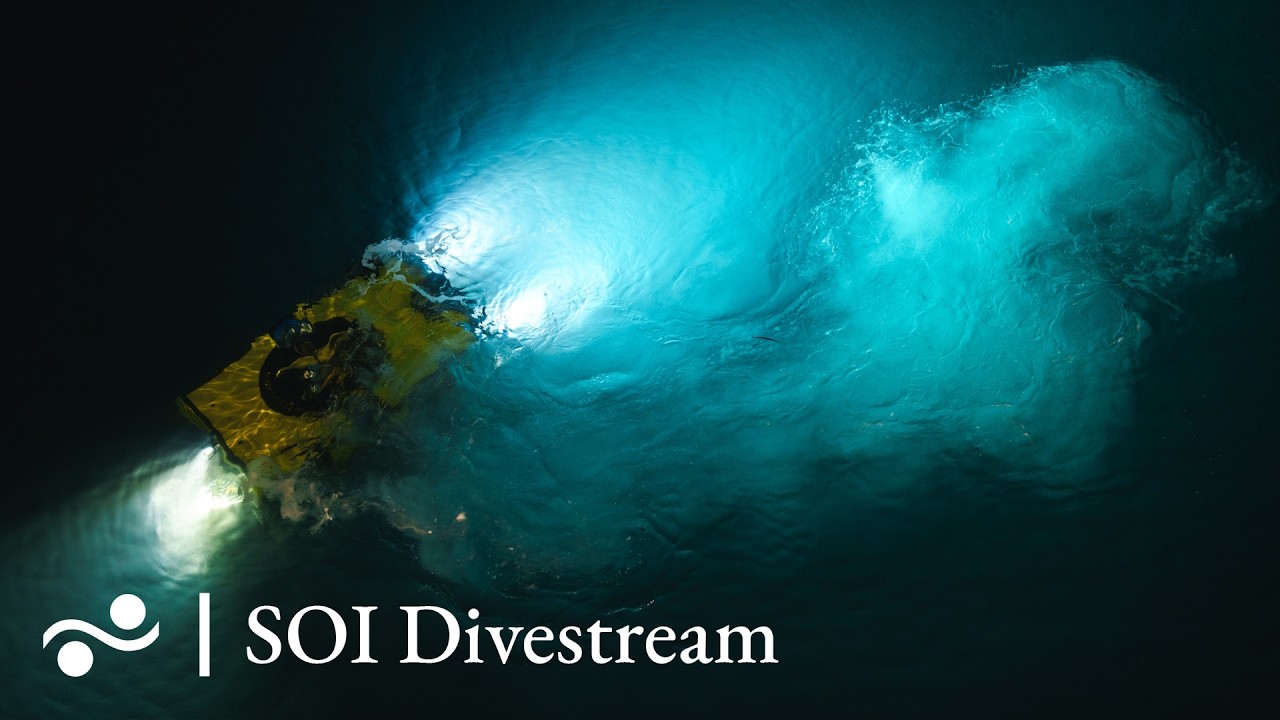
Romanche Fracture Zone East Dive 5 | SOI Divestream 975 Part 2
Schmidt Ocean Institute
Romanche Fracture Zone East Dive 6 | SOI Divestream 976
Schmidt Ocean Institute
Romanche Fracture Zone East Dive 5 | SOI Divestream 975
Schmidt Ocean Institute

OceanX Summit 2026 - Singapore
OceanX